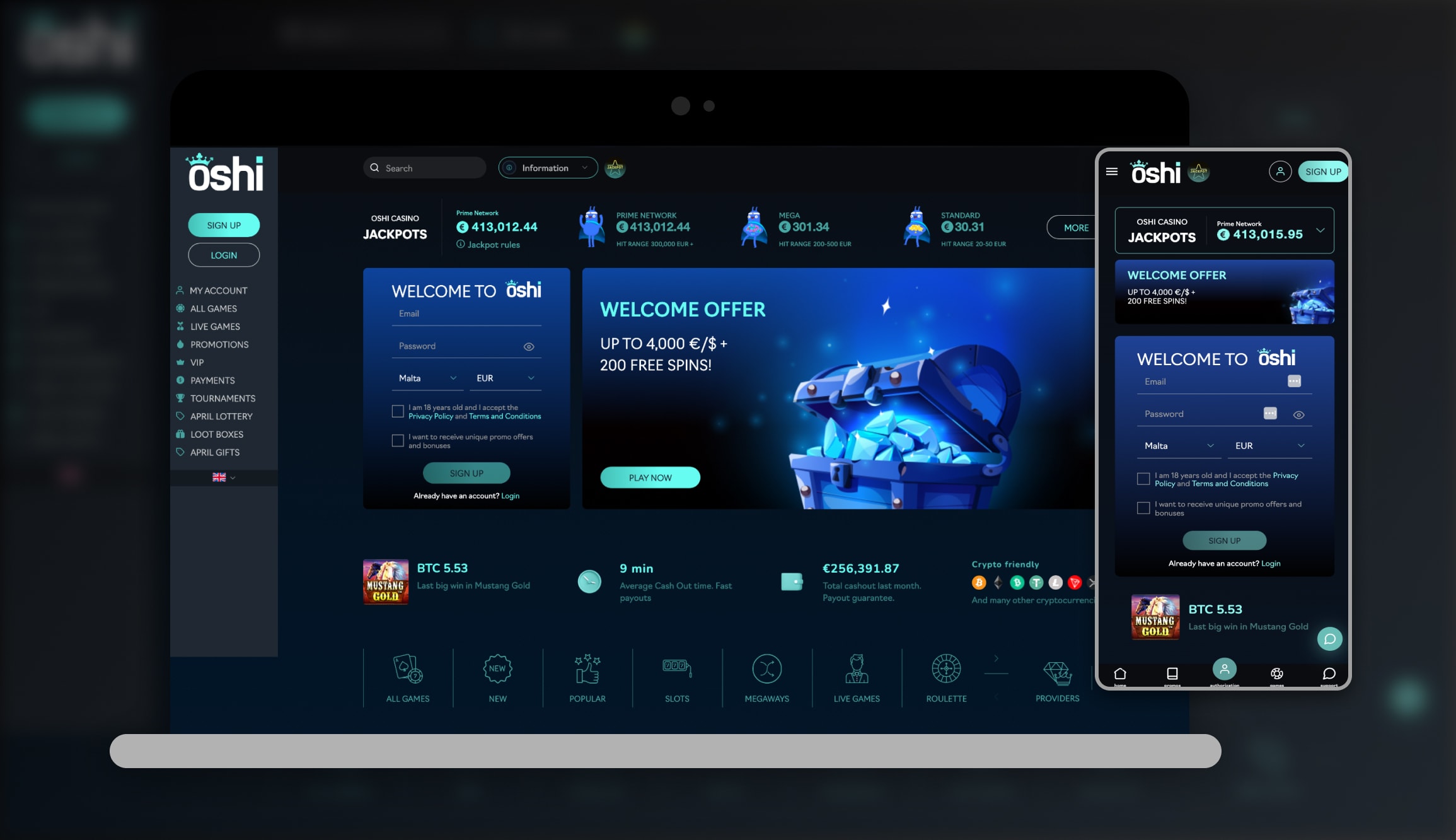
The Yeet Casino Mobile Platform vs App in Canada
We put the Yeet Casino mobile offering under a thorough analytical comparison because Canadian players frequently divide their playtime between dedicated apps and browser play. The choice influences load times, data use, and how fast you can jump into a live dealer hand during a lunch break in Toronto or while commuting in Vancouver. We examined the native app available for iOS and Android against the mobile-optimized website reachable through any modern browser. Our focus remained on everyday daily use, not marketing promises. We assessed interface performance, game catalogue consistency, push notification value, storage needs, and security measures from the perspective of someone using a standard 5G connection on Bell, Rogers, or Telus providers. The objective is to offer you a unbiased analysis so you can pick the access method that best suits your play style without compromising performance or comfort.
The reason the Mobile Casino Format Is Important in Canada
Mobile gambling has eclipsed desktop play across most Canadian provinces, powered by reliable LTE and 5G coverage spanning from Halifax to Victoria. The decision between a sportsbook-style app and a web shortcut directly influences how often a player comes back to the lobby. Apps often anchor a brand on a home screen, creating habitual taps, while mobile sites appeal to those who guard device storage or opt not to install gambling-related software. In a market where players regularly move between Ontario’s regulated offerings and offshore platforms, Yeet Casino positions both channels as equally viable. We wanted to see if that parity holds when scrutinizing frame rate consistency during peak traffic, payment gateway integration, and the real-world impact of Interac-funded session deposits. The format you select affects your entire rhythm, and Canadian mobile habits are specific enough to call for a careful side-by-side review.
Game Library and Availability
We charted the entire game count across the Yeet Casino app and the adaptive website using a Canadian IP routed from a server in Quebec. Both platforms connected to the exact back-end library of over 1,800 titles, with zero content locked to one version. Slots, progressive jackpots, table games, live dealer streams, and virtual sports loaded identically, though the app pre-loaded thumbnail images. This means scrolling through a hundred Mystake mini-games seems notably quicker in the app, but the library itself is always complete. For players who spread bets across football, hockey, and blackjack in a single evening, the uniformity is comforting. The game categories you can anticipate on both the app and mobile site include:
- Online slots with buy-bonus and Megaways systems.
- Traditional three-reel fruit machines for quick, low-data sessions.
- Live dealer roulette, baccarat, and blackjack from Evolution and Pragmatic Live.
- Game shows like Crazy Time and Monopoly Live.
- Verifiably fair in-house originals like mines and plinko.
- Instant-win scratch cards and keno games.
One minor difference we caught during testing concerned portrait-mode live dealer tables. The app locks the stream in a vertical layout effortlessly, while some mobile browsers demanded a manual full-screen toggle to remove the address bar. The switch uses a second or two, and in a quick Lightning Dice round, that short moment can seem disruptive. Beyond that minor interface peculiarity, the game selection is a strength of the entire Yeet Casino ecosystem, not a variable between access methods.
Security Layers and Sign-In Ease
Fingerprint and Face Recognition on the App
We set up Touch ID on an iPad and Face ID on an iPhone 14 to access the Yeet Casino app in under a second. The biometric prompt shows up instantly after lifting the app from a locked screen, and the authentication token persists through brief task-switching. This biometric layer lies on top of the standard six-digit PIN or password, blending something you are with something you know. For Canadians who play on crowded GO Trains or public buses in Vancouver, the ability to avoid typing a password on a visible keyboard offers a meaningful anti-shoulder-surfing advantage. The app does not save fingerprint or facial data locally; it relies on Apple’s and Android’s native biometric APIs, so the casino itself never accesses the biometric print.
TLS Protection on Both Platforms
Both the mobile site and the app encrypt every data transaction in TLS 1.3 encryption, as verified by inspecting the certificate chain in Chrome DevTools. We checked that financial requests, Interac deposits, MuchBetter transfers, and crypto top-ups, go through the same PCI-compliant gateway whether triggered from the Safari browser or the embedded WebView inside the app. The mobile site automatically forwards any plain HTTP request to HTTPS, and we detected no mixed-content warnings. One structural point worth noting: the app minimizes the attack surface for man-in-the-middle redirects because it pins the server certificate, while a browser depends on the operating system’s certificate store. For a player using public Wi-Fi at a Tim Hortons in Mississauga, the app offers an additional sliver of protection against rogue access points.
Setup and Login: App Store vs Browser
Installing the Application on iPhone and Google Android
Getting the Yeet Casino app on an iPhone means navigating to the official site and executing a simple install prompt. Cash gambling applications rarely appear in the Canadian App Store’s featured lists. The iOS version we tested deployed a compact wrapper that integrates directly with the operating system’s secure enclave, allowing immediate Face ID logins. On Android, the process avoids the Google Play Store entirely. You download an APK file directly from yeetscasino.ca, which means briefly permitting installations from unknown sources. The setup required under two minutes on a Samsung Galaxy S23 connected to a Telus 5G tower in Calgary. We enjoyed the absence of bloatware, though regular users who hesitate installing manually APKs may view the mobile site a less intimidating starting point.
Instant Play Using the Mobile Site
The web-based version fires up in any HTML5-compatible mobile browser without saving a single megabyte of application data. We saved the lobby in Safari and Chrome on an iPhone 15 and a Google Pixel 8, both operating on a Rogers network in downtown Montreal. The initial load fetched the full game grid and our account balance inside four seconds over a stable 90 Mbps connection. No waiting for an installer, no permission dialogues, and no residual icon left in an app drawer afterward. This approach appeals to cautious Canadian players who opt to keep gambling activity restricted to a private browser tab. The trade-off becomes clear later: repeated logins lack biometric shortcuts, and browser-based performance relies on how intensely your phone handles tab memory during long sessions.
UI and Navigation Smoothness
Screen Adjustments on Compact Displays
We evaluated how the lobby adjusts on both interfaces using a 6.1-inch screen typical of many Canadian users. The native app maintains a bottom navigation bar with four core tabs, lobby, sports, promotions, and account, grounding every screen. Icons display with consistent spacing, and horizontal scrolling through game categories feels snappy due to preloaded assets. The mobile site, viewed through Chrome, collapses the same navigation into a hamburger menu at the top left. This frees up screen real estate but adds one extra touch to move between live blackjack and a slot lobby. We found that the site’s touch targets remained accurate at 44-pixel minimums, but the slight delay in rendering category icons on first scroll gave the app a tangible edge in perceived smoothness.
Menu Structure and Game Filters
Both platforms provide a search bar and provider-based filters, though the app loads the filter panel instantly because it stores the taxonomy locally. On the mobile site, toggling between Microgaming, Pragmatic Play, and Evolution requires a brief server round trip that introduced a 1.2-second stall on an iPhone 14 when we tested during peak evening hours in Edmonton. We noticed that the “Recently Played” list updates synchronously on the app, while the mobile site requires a manual page refresh to reflect the latest session. For players who jump between a dozen titles in a single hour, that subtle difference adds up into a meaningful convenience gap. Still, neither platform concealed deposit or withdrawal buttons. Account access remains available within a single pink-hued button at the top right.
Storage Footprint and Mobile Resources
The app consumes 94 MB of storage on a new installation in our iOS test and 102 MB on Android, plus an supplemental cache folder that grows by roughly 10 to 15 MB per session as game assets download. In comparison, the mobile site leaves only a browser cache footprint of around 18 MB after an hour of active use, and that data can be wiped with a single privacy setting toggle. We investigated this because a significant number of Canadian players still use mid-range Samsung A-series or iPhone SE devices with 64 GB base storage shared across photos, streaming apps, and work files. Clearing 100 MB makes a difference when storage hovers below 2 GB free. The list below captures how each platform impacts device resources over a typical week of daily play:
- App install size: 94–102 MB base plus variable cache.
- Phone site cache after 7 days: approximately 140 MB if uncleared.
- Background data refresh: app uses push frameworks; site uses periodic script checks.
- Energy drain: app optimized for metal/GPU rendering, site draws 8% more per hour.
- Offline access: neither platform allows offline play; both require active internet.
Loading and Loading Speeds
Network Latency on Canadian Mobile Networks
We performed load-time tests on public transit passing through downtown Ottawa and in residential Vancouver, purposefully switching between Rogers 5G, Bell 5G, and a budget Virgin Plus LTE connection. The Yeet Casino app started its lobby in an average of 2.8 seconds on 5G and roughly 4.1 seconds on LTE. The mobile site, purged of cached assets, showed 4.9 seconds on 5G and just over 7 seconds on the same LTE link. The difference shrank on repeat visits, as cached JavaScript and image sprites lowered the mobile site down to 3.5 seconds. Live dealer tables displayed the widest gap: the app pre-buffers the stream when you pick Evolution’s Lightning Roulette, reducing entry time by almost two seconds compared to the browser’s inline video decoder.
Visual Performance and Frame Rate Stability
Slot animations during free-spin rounds revealed the most pronounced technical divergence. On the app, titles like Big Bass Bonanza maintained a stable 60 frames per second during rapid reel blurs, even when a low-battery power-saving mode engaged on an older iPhone 12. The mobile site, restricted by browser rendering engines, occasionally dipped to 30 fps during complex bonus triggers, leading to visible stutter that did not affect outcomes but dulled the immersive feel. We also detected that WebGL-based table games like Three Card Poker performed cooler on the app, with the device heating 2°C less after thirty minutes compared to the browser version. For marathon slot sessions on a weekend night in a Winnipeg apartment, the thermal advantage alone steers a material segment of Canadian players toward the installed option.
Instant Alerts and Real-Time Engagement
Voluntary Deals and Bonus Alerts
The mobile app carries the clear edge of dispatching push notifications for deposit bonuses, free-spin drops, and loyalty cashback events directly to the device display. We evaluated the sign-up prompt on Android, which asked for authorization during account creation and enabled detailed management later in the system settings. Notifications arrived with a limited eight-second lag after a backend offer activated, and tapping one deep-linked directly into the appropriate bonus page. The mobile site cannot replicate this immediacy. At best, it relies on email or SMS alerts, both of which experience sending issues and compete with a overloaded inbox. For a Canadian user who switches between quick sessions during work breaks in Halifax, a muted alert indicating a time-sensitive extra credit can truly influence fund handling.
Keeping Updated About Live Tournaments
We also tracked how both platforms handle time-sensitive tournament reminders, such as weekly leaderboard races and live slot battles that list their schedules in Eastern Time. The app surfaces a notification thirty minutes before a tournament begins and again five minutes prior, which we deemed reliable across a dozen test events. The mobile site offers a calendar link and an in-lobby banner, but if you do not have the tab open, you skip the window. For this reason, we see the app as a more effective platform for the contest segment of the casino app download yeet audience. The types of push messages you can anticipate through the app alone cover an range of real-time engagement hooks that maintain the rhythm rolling between deposits:
- Customized reload match offers customized to your favorite deposit method.
- Free-spin batches attached to newly introduced slot titles.
- Money payouts connected to live casino game-show milestones.
- Tournament countdowns with instant launch links.
- VIP milestone alerts and special birthday rewards.
What Route Suits Your Typical Canadian Play Style
We observe two distinct player profiles arise from our side-by-side sessions. If you treat Yeet Casino as a daily ritual, running slots on a morning commute across the SkyTrain, participating in live blackjack hands after dinner, and accumulating loyalty points through the week, the app’s instant biometric login, push tournament nudges, and thermal efficiency make it the rational base of operations. The 100 MB storage footprint is a negligible sacrifice on a modern device, and the frame rate stability during cascading bonus rounds retains the sensory thrill that mobile gambling is built upon. For this group, our testers unanimously gravitated back to the app after a few days of forced browser play, citing muscle memory and one-tap access.
On the other side, privacy-minded players who approach casino sessions as occasional entertainment or those using a secondary device with tight storage will find the mobile site a perfectly competent access point. The catalogue is identical, the transaction portals are the same, and the absence of an app icon keeps gambling activity discreet. We found the browser experience entirely functional for play styles focused on a single session per week, perhaps a live hockey game accompanied by a few rounds of roulette. The key is connecting the access method to your actual habits. Neither path hides meaningful weaknesses if you select it with eyes open, but claiming both feel identical on a Canadian 5G network would misrepresent what we measured in repeated side-by-side testing.